Why Delta 8 Concentrate Deserves a Spot in Your Dabbing Routine
Understanding the Place of Delta 8 in Modern Cannabis Concentrates
I have spent years working with cannabis extracts, from simple kief to live resin and everything in between. One thing that still surprises me is how often people overlook delta 8 concentrate when building their rotation. Most consumers chase sky-high delta 9 THC percentages, thinking more is always better. But after countless sessions and plenty of trial and error, I have come to appreciate what delta 8 brings to the table, especially when you want a clear-headed experience without sacrificing flavor or ritual.
Delta 8 is a cannabinoid that sits in an interesting middle ground. It binds to the same CB1 receptors as delta 9, but with lower affinity, which means the psychoactive effects are noticeably milder. For someone who finds delta 9 too intense or who needs to stay functional during the day, a well-made delta 8 concentrate can be the perfect choice. It still delivers the entourage effect we associate with full-spectrum cannabis, but without the anxiety or fog that sometimes comes with high-THC products.
How Delta 8 Concentrate Is Made and Why Process Matters
Not all concentrates are created equal, and the production method shapes everything from flavor to purity to safety. The best delta 8 concentrate I have tried comes from distillate processes that preserve terpenes and minor cannabinoids. Distillation, when done right, strips away plant material and impurities while keeping the volatile compounds that give each strain its character. That is why a good distillate can taste cleaner than something made with harsh solvents.
On the other hand, some producers still use butane hash oil extraction or other solvent-based methods to maximize yield. BHO can work, but it often leaves behind residual solvents if not purged properly. That is why I always look for products that mention solventless extraction or at least provide third-party lab testing results. A certificate of analysis does not just confirm potency numbers. It also tells you whether the batch is free of heavy metals, pesticides, and leftover chemicals. If a company does not share those results, I move on.
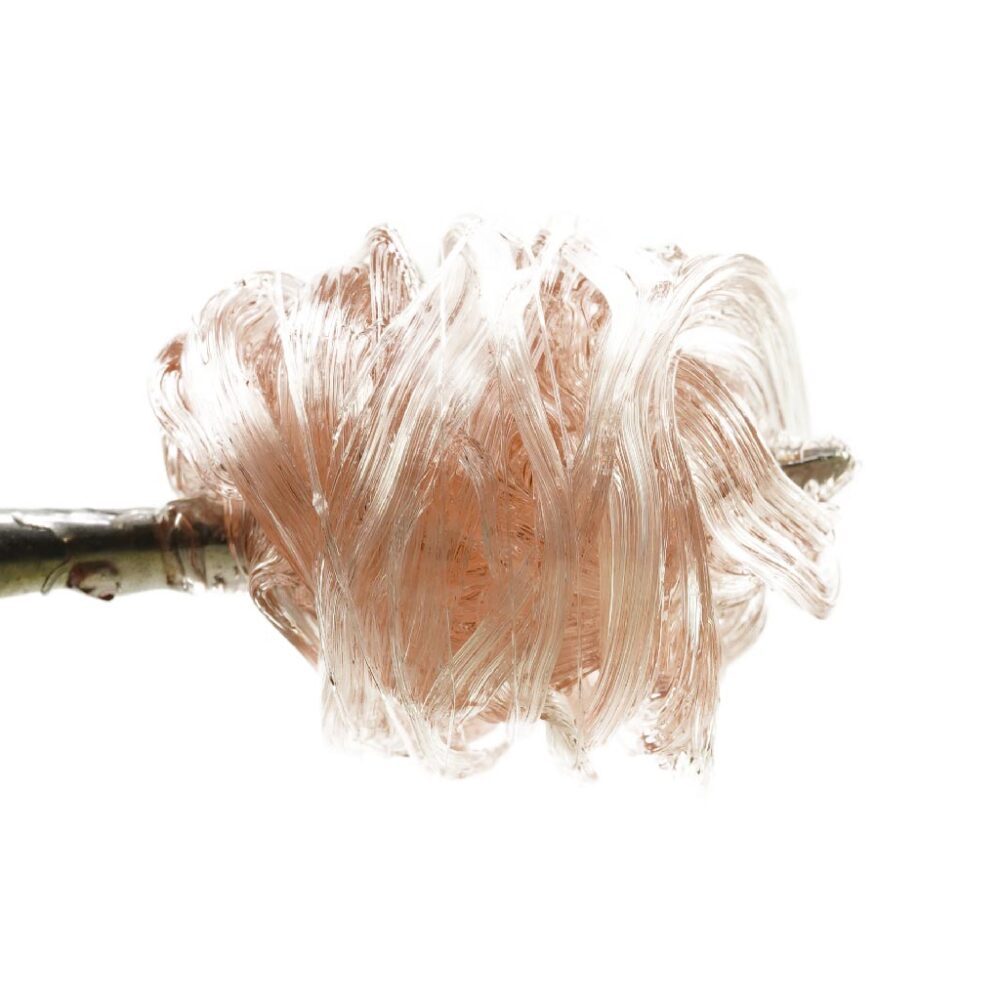
CO2 extraction is another method gaining traction. It uses pressurized carbon dioxide to separate cannabinoids and terpenes from the plant, leaving no solvent residue. The resulting wax tends to have a very clean profile. I have found that CO2-extracted concentrates often preserve the subtle fruit and pine notes that get lost in cheaper processes. When you are paying for a premium product, that attention to detail matters.
What to Look For in a Quality Delta 8 Concentrate
When you shop for any cannabis concentrate, you want to see certain markers of quality. Color and consistency are the easiest to check. A good delta 8 concentrate should look like a translucent amber or pale gold wax, not dark or crumbly. If it is too hard, it might have been overheated during processing, which degrades terpenes. If it is too runny, it may contain leftover solvents or excess plant fats.
I also pay close attention to the reported cannabinoid profile. A well-balanced delta 8 concentrate will still contain trace amounts of other cannabinoids, including delta 9, CBD, and minor compounds. That synergy is what creates the entourage effect. If a product lists only delta 8 and nothing else, it is probably an isolate, which works for some people but lacks the depth of a full-spectrum extract.
Potency is another factor, but do not get hung up on numbers alone. A 60% delta 8 product can feel more satisfying than a 90% isolate if the terpene profile is richer. That is why I recommend trying a few different brands and taking notes on how each one feels. Your own experience will tell you more than any lab report.
Dabbing Delta 8 Concentrate: Tips for Best Results
Dabbing is my preferred method for delta 8 concentrate, and it is easy to see why. A dab rig or a good vaporizer heats the material to just the right temperature, releasing cannabinoids and terpenes in a smooth vapor. With delta 8, I find that lower temperatures work better. Aim for around 500 to 550 degrees Fahrenheit. At that range, you get the full flavor without destroying delicate compounds. If you go too hot, you risk burning off the terpenes and getting a harsh hit that tastes like nothing but smoke.
Quartz bangers and titanium nails both work, but quartz tends to retain heat more evenly. I have used both, and I prefer quartz for flavor. Just make sure you clean the nail after every dab. Residue buildup will ruin the taste of your next session and can even affect the purity of the vapor.
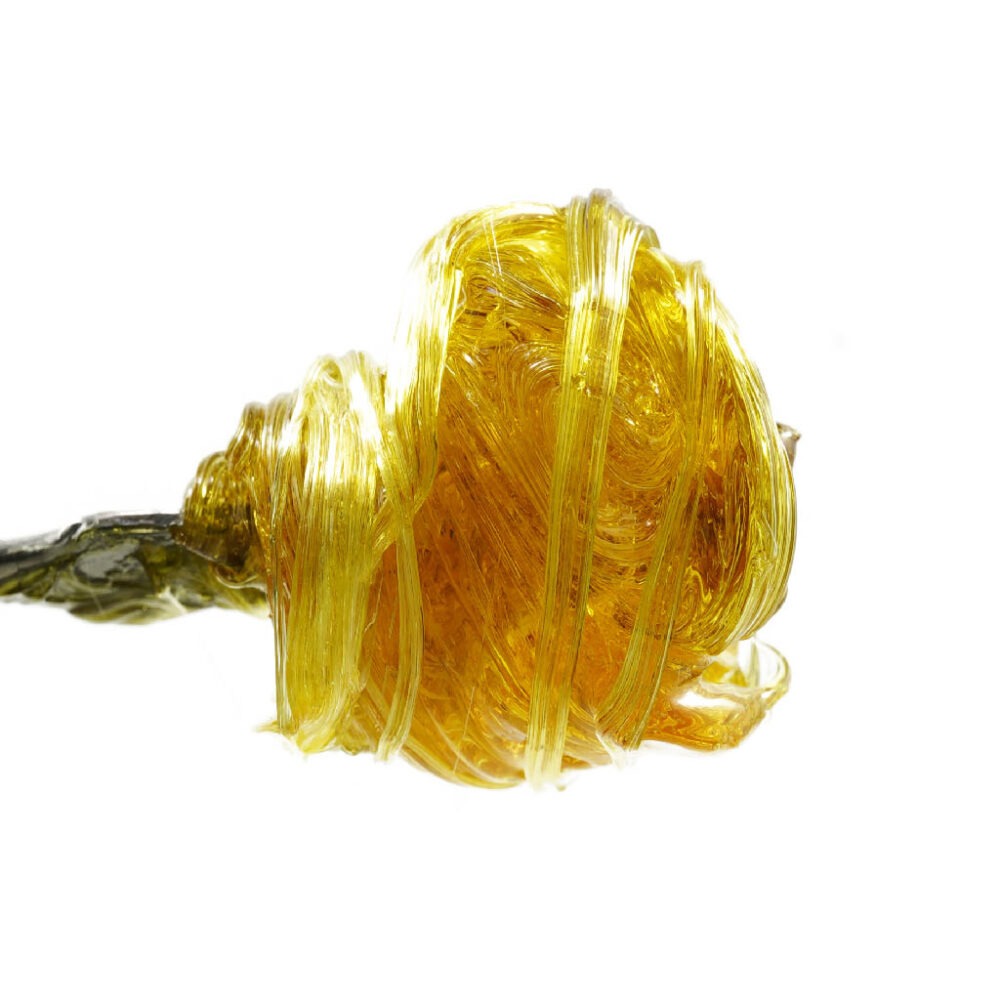
If you are new to dabbing, start with a small amount, about the size of a grain of rice. Delta 8 is milder than delta 9, but it can still catch you off guard if you take too big a hit. Wait a few minutes between dabs to see how you feel. The effects tend to build slowly, and you do not want to overdo it.
Comparing Delta 8 Concentrate to Other Concentrates
The concentrate world is full of options: live resin, kief, wax, rosin, and more. Each one has a place, but delta 8 concentrate fills a specific niche. Live resin is made from freshly frozen plants and is prized for its bright terpene profile, but it usually contains high levels of delta 9. Kief is just separated trichomes and can be added to anything, but it is less potent and less refined than a distillate. Wax is a broad category that includes everything from BHO to solventless extracts, so quality varies wildly.
What sets delta 8 concentrate apart is its balanced psychoactive effect. If you want the ritual of dabbing and the flavor of a premium extract, but you do not want to feel overwhelmed, delta 8 is your best bet. I keep a jar of delta 8 wax on my desk for afternoons when I need to write or think creatively. It keeps me focused without the drowsiness that sometimes comes with high-delta 9 products.
Purity, Potency, and the Role of Third-Party Lab Testing
Because the concentrate market is still largely unregulated, purity and potency claims can be unreliable. Some brands inflate numbers to make their products look stronger. Others use cheap fillers or cut their wax with synthetic cannabinoids. That is why third-party lab testing is non-negotiable for me. A reputable company will send every batch to an independent lab and publish the results. Those reports show the exact percentages of delta 8, delta 9, and other cannabinoids. They also check for residual solvents, heavy metals, and microbial contamination.
State regulations vary widely, and some states require testing while others do not. If you live in a state where testing is optional, do not skip the research. Look for brands that voluntarily test their products. Kush Station, for example, carries only concentrates that have been through rigorous quality checks. That kind of transparency builds trust and keeps you safe.
Final Thoughts on Adding Delta 8 Concentrate to Your Collection
I have tried dozens of concentrates over the years, and delta 8 is one of the few that I always come back to. It offers a unique experience that bridges the gap between full-strength delta 9 and CBD-only products. Whether you are a seasoned dabber or someone who wants to explore cannabis concentrates without the intensity, delta 8 concentrate is worth your attention. Pay attention to how it is made, look for third-party lab results, and experiment with different temperatures. The right product will reward you with clean flavor, smooth vapor, and a gentle, manageable high.
If you have not tried delta 8 yet, pick up a small jar and give it a fair shot. You might find, as I did, that it becomes a staple in your rotation. And as the market continues to grow, we will likely see even more refined delta 8 offerings, from solventless extracts to CO2-extracted waxes. The future of concentrates is not just about chasing the highest THC number. It is about finding the right balance for your body and your lifestyle. Delta 8 concentrate fits that philosophy perfectly.